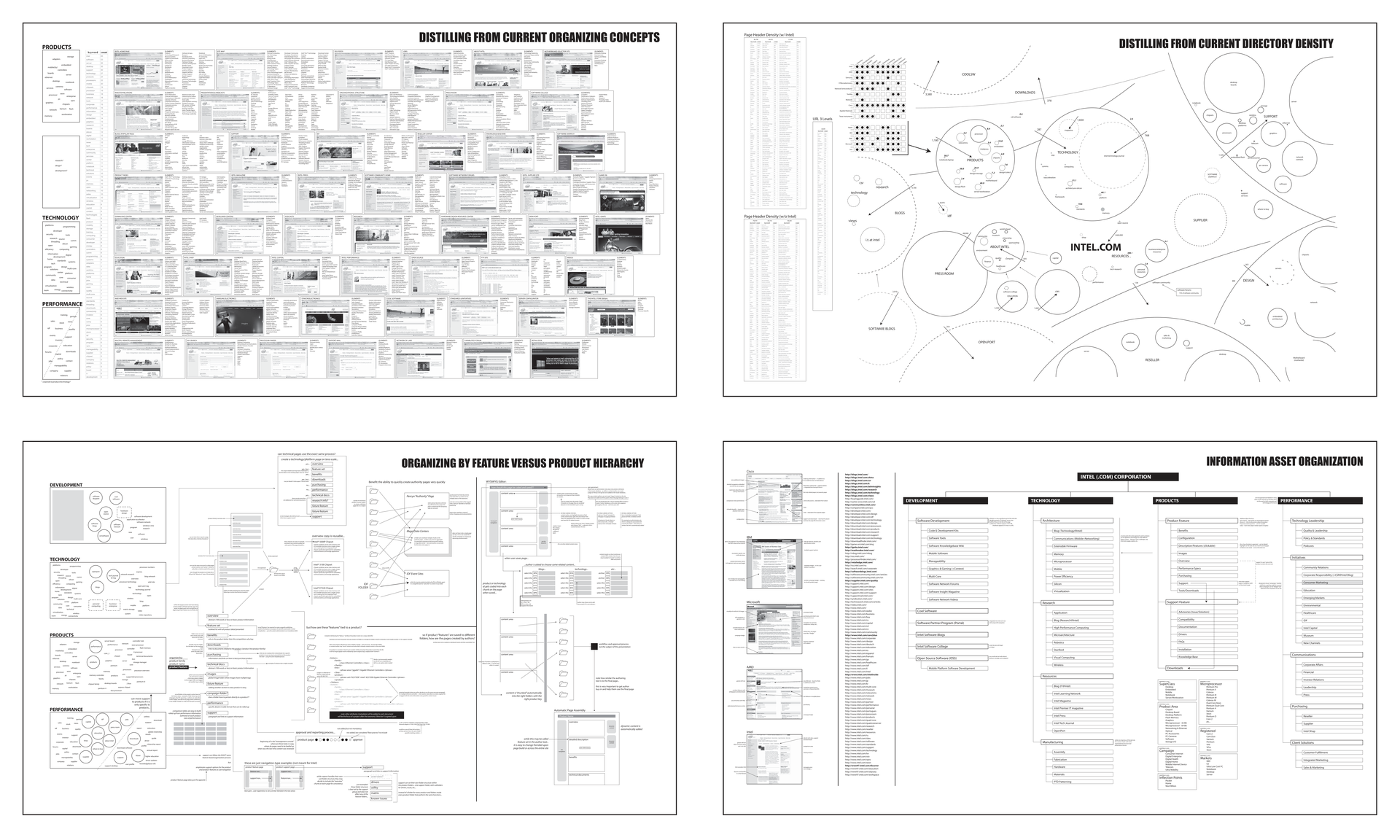
Structured Asset Architecture:
The analysis demonstrates a strategic shift toward structured information architecture by distilling complex digital assets into four foundational pillars: Development, Technology, Products, and Performance. By mapping existing page densities against these distinct categories, the framework streamlines user navigation, aligns disparate business units, and provides a highly scalable blueprint for global enterprise content organization.
|
Feature-Driven Page Assembly:
Transitioning from rigid product hierarchies to dynamic, feature-driven organization optimizes content reuse and authoring efficiency. Implementing modular components and WYSIWYG templates allows content creators to bypass technical bottlenecks. This modern approach automatically generates unified product pages, ensuring visual consistency while dynamically matching user intent with relevant performance metrics and technical documentation.
|
Directory Density Optimization:
Evaluating directory density and URL levels reveals critical insights into website health and structural complexity. By visualizing node relationships across domain subdirectories, the system identifies redundant pathways and optimizes page header density. This structural simplification enhances search engine crawlability and improves overall user experience by reducing cognitive load during website navigation.
|