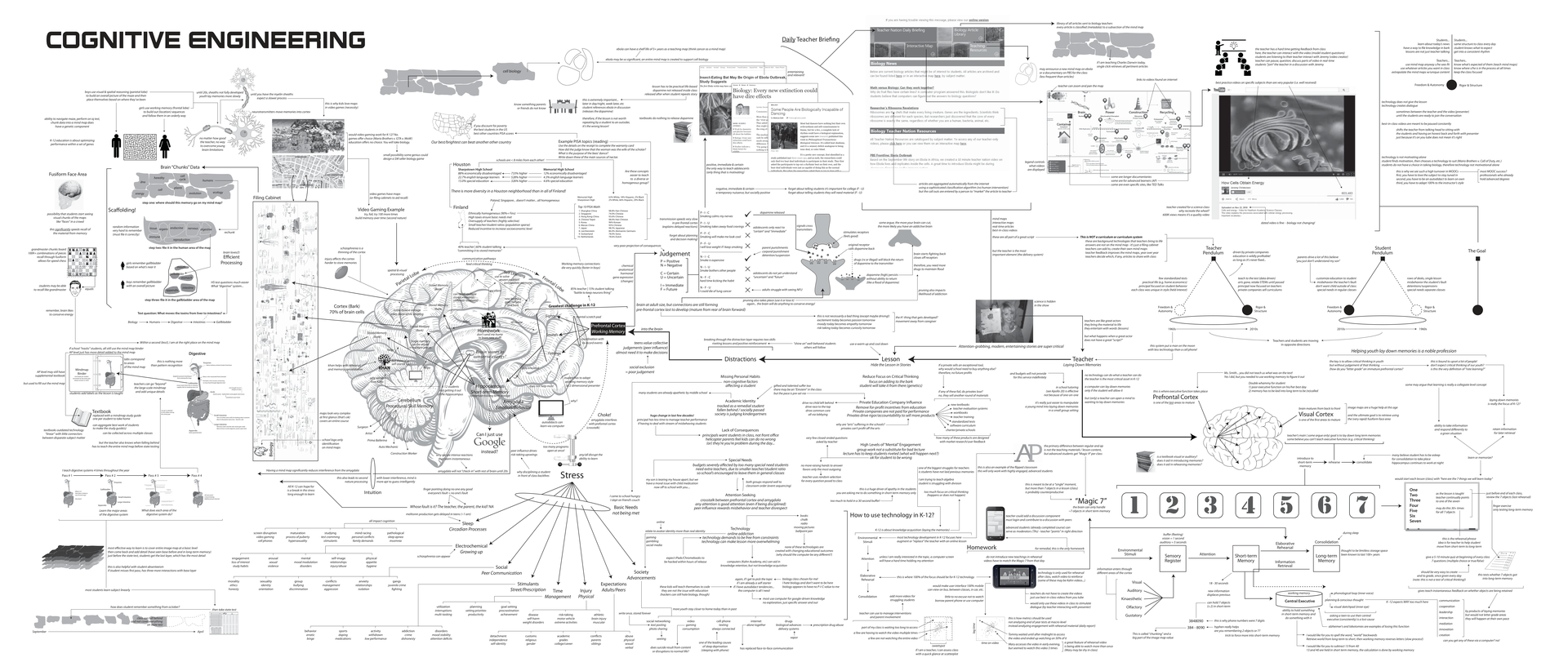
Optimizing the Learning Brain:
This section analyzes how the human brain processes information, emphasizing the critical roles of the prefrontal cortex, working memory, and cognitive load in education. Understanding memory consolidation and attentional filters enables educators to design curricula that align with natural neural pathways, ultimately maximizing knowledge retention while minimizing cognitive fatigue in students during complex tasks.
|
Re-engineering Classroom Tech:
Integrating technology in K-12 education requires a strategic balance between student autonomy and structured guidance. While digital tools can foster engagement and personalized learning, they risk exacerbating distractions if poorly implemented. Educators must design structured, low-distraction environments that leverage interactive media to reinforce core learning objectives rather than overwhelm developing minds.
|
Mitigating Student Stress:
Modern students face unprecedented external pressures, from social media distractions to systemic stress, directly hindering cognitive performance. When basic physiological and emotional needs are unmet, the brain's capacity for deep focus diminishes. Addressing these environmental stressors through supportive classroom design is essential to restore attention spans and foster healthier academic outcomes.
|