Strategic Policy Governance:
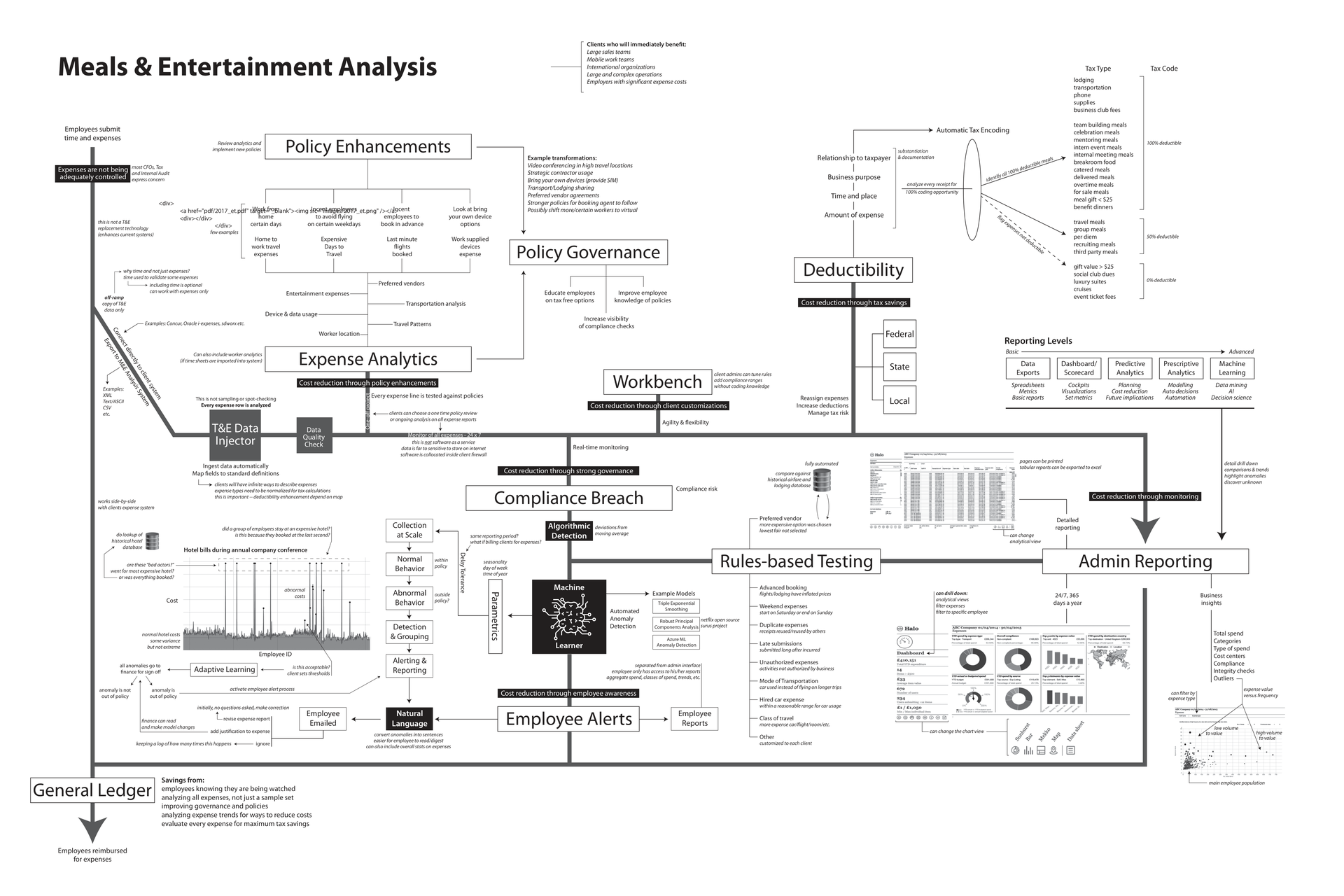
Organizations can optimize meals and entertainment spending through robust policy enhancements and governance frameworks. By establishing clear guidelines on vendor selection, travel patterns, and device usage, companies cultivate a culture of compliance. Educating employees on policy nuances and automating governance checks reduces non-compliant behaviors, significantly driving down unnecessary expenses while maintaining operational agility and control.
|
Advanced Algorithmic Analytics:
Leveraging data-driven insights through systematic expense analytics and machine learning transforms financial oversight. By implementing continuous transaction ingestion and automated anomaly detection, businesses can seamlessly identify abnormal spending behaviors and compliance breaches. Utilizing algorithmic engines and natural language alerts empowers finance teams to enforce standards proactively, shifting from manual spot-checking to comprehensive, real-time auditing.
|
Optimizing Tax Deductibility:
Maximizing tax savings requires precise expense classification and automated deductibility encoding. This structured system evaluates business purpose, relationships, and locations to map items into correct tax brackets. Through comprehensive rules-based testing and robust administrative reporting, organizations gain multi-dimensional visibility, allowing them to systematically mitigate risk, streamline external audits, and capture substantial cost reductions.
|