Shifting the Paradigm of Trust:
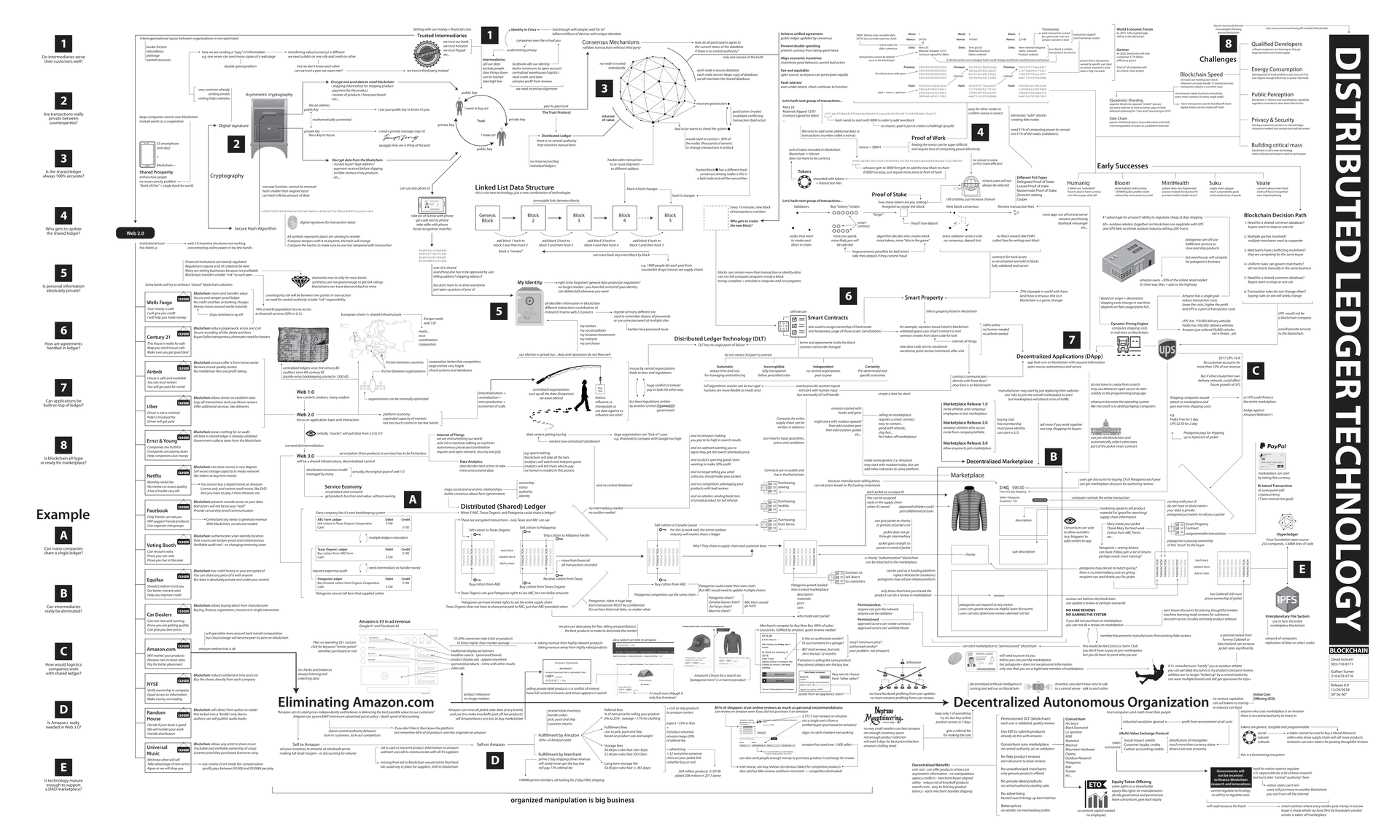
The document outlines the paradigm shift from centralized Web platforms to distributed ledger architectures. By leveraging cryptographic consensus mechanisms like Proof of Work and Proof of Stake, DLT eliminates single points of failure inherent in legacy databases. This shift restores user sovereignty, ensures data immutability, and establishes decentralized trust without relying on traditional financial intermediaries.
|
Automating Agreements via Code:
Smart contracts and decentralized applications redefine business agreements by replacing human enforcement with automated code. These programmable protocols automate complex workflows, streamline supply chains, and enable trustless transactions directly between peers. By removing extractive intermediaries, organizations can build open ecosystems that operate autonomously, significantly reducing administrative overhead while increasing transparency across global commercial networks.
|
Dismantling Web 2.0 Monopolies:
The analysis highlights how decentralized architectures directly challenge monopolistic digital marketplaces like Amazon. By leveraging shared ledgers, brands can manage supply chains transparently and connect directly with consumers. This model eliminates platform fees, prevents data exploitation, and curbs unfair search manipulation. Ultimately, Web3 infrastructure empowers independent businesses, fostering a fair, direct commerce ecosystem free from central control.
|